ข่าวอุตสาหกรรม
บ้าน / ข่าว / ข่าวอุตสาหกรรม / คู่มือการซื้อเครื่องทำน้ำแข็งก้อนเชิงพาณิชย์: ข้อมูลจำเพาะที่สำคัญ ประเภทน้ำแข็ง และการเลือก
2026-09-02
จุดสูงสุดในช่วงสุดสัปดาห์ของคุณบอกคุณเกี่ยวกับเครื่องทำน้ำแข็งได้มากกว่าเอกสารข้อมูลจำเพาะใดๆ ร้านกาแฟที่ขายเครื่องดื่มเย็นได้ 150 แก้วภายใน 3 ชั่วโมงต้องใช้น้ำแข็งก้อนประมาณ 70 ปอนด์ ร้านอาหารที่มีบาร์เต็มรูปแบบสามารถรับน้ำหนักได้ถึง 200 ปอนด์ก่อนที่บริการอาหารเย็นจะสิ้นสุดลง เมื่อน้ำแข็งหมด การดำเนินการจะรู้สึกได้ทันที เครื่องดื่มช้าลง ต้นทุนเพิ่มขึ้น และลูกค้าสังเกตเห็น เครื่องทำน้ำแข็งก้อนเชิงพาณิชย์ที่มีปริมาณผลผลิตรายวัน ความจุในการจัดเก็บ และขนาดน้ำแข็งที่เหมาะสมจะช่วยขจัดแรงกดดันดังกล่าว คู่มือนี้จะอธิบายข้อมูลจำเพาะ สถานการณ์การใช้งาน และความเสี่ยงในการซื้อที่สำคัญที่สุด
เครื่องทำน้ำแข็งในบ้านถูกสร้างขึ้นมาเพื่องานที่แตกต่างออกไป บ้านพักอาศัยแบบวางใต้เคาน์เตอร์ทั่วไปผลิตน้ำแข็งได้ 20 ถึง 30 ปอนด์ต่อวัน ซึ่งเพียงพอสำหรับครัวเรือนที่มีสมาชิก 4 คน เมื่อเปรียบเทียบกันแล้ว เครื่องทำน้ำแข็งก้อนเชิงพาณิชย์สามารถผลิตน้ำแข็งขนาดมาตรฐานได้ 300 ถึง 1,000 ปอนด์ต่อวัน โดยรุ่นสำหรับงานหนักจะมีน้ำหนักถึง 1,500 ปอนด์ต่อวัน
ความแตกต่างมีมากกว่าผลลัพธ์ หน่วยเชิงพาณิชย์ใช้คอมเพรสเซอร์ขนาดใหญ่ขึ้น แผ่นระเหยที่หนาขึ้น และตู้สแตนเลสหรือพลาสติกเกรดอาหาร ได้รับการออกแบบมาเพื่อการใช้งานต่อเนื่อง: การผลิตน้ำแข็งเริ่มต้นหลังจากรอบการเก็บเกี่ยว เก็บเกี่ยวทุกๆ 20 ถึง 30 นาที และตกตะกอนตามจังหวะที่สามารถวิ่งได้ 12, 16 หรือ 24 ชั่วโมงต่อวัน หน่วยบ้านพุ่งผ่านวงจรที่คล้ายกัน แต่ไม่เคยได้รับการจัดอันดับสำหรับโหลดประเภทนั้น
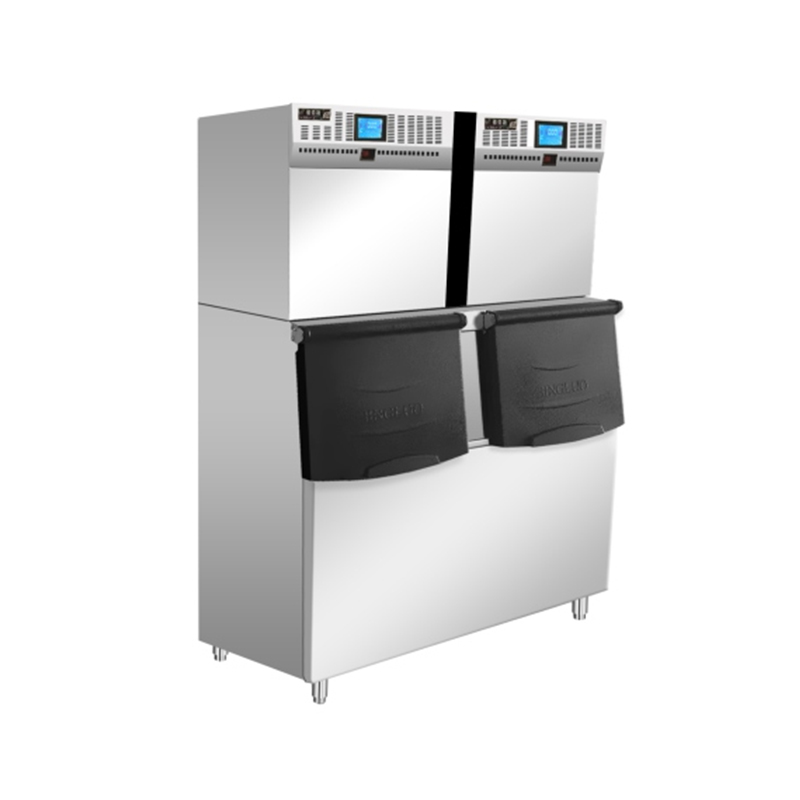
ความจุเป็นอีกความแตกต่างที่สำคัญ เครื่องทำน้ำแข็งก้อนเชิงพาณิชย์ โดยทั่วไปจะมาพร้อมกับถังที่บรรจุน้ำหนักได้ 200 ถึง 500 ปอนด์ หรือจะเชื่อมต่อกับถังน้ำแข็งภายนอก หน่วยที่อยู่อาศัยเก็บตะกร้าขนาดเล็ก สำหรับร้านกาแฟหรือบาร์ การมีน้ำแข็งพร้อมบรรจุ 300 ปอนด์ในถังขยะหมายความว่าคุณสามารถดูดซับความเร่งรีบได้โดยไม่ต้องรอการเก็บเกี่ยวครั้งถัดไป
เริ่มต้นด้วยการประมาณความต้องการน้ำแข็งสูงสุดของคุณ สูตรด่วนคือ: จำนวนเครื่องดื่ม × น้ำแข็ง 0.2 ถึง 0.35 ปอนด์ต่อเครื่องดื่ม วันดื่มชานม 500 แก้วจะหนักประมาณ 175 ปอนด์ เพิ่ม 20 ถึง 30 เปอร์เซ็นต์เป็นบัฟเฟอร์สำหรับชั่วโมงเร่งด่วน และคุณต้องมีเครื่องจักรที่ผลิตได้ 220 ถึง 250 ปอนด์ต่อวันพร้อมพื้นที่จัดเก็บอย่างน้อย 150 ปอนด์
ขนาดลูกบาศก์ส่งผลต่อต้นทุนเครื่องดื่ม ความเร็วในการทำความเย็น และรูปลักษณ์ ครึ่งลูกบาศก์มีขนาดเล็กและละลายเร็ว ซึ่งเหมาะสำหรับเครื่องดื่มแบบปั่นแต่ไม่ดีสำหรับวิสกี้หนึ่งแก้ว ก้อนเต็มละลายช้าๆ และปล่อยให้น้ำแข็งอยู่ในเครื่องดื่มนานขึ้น จัมโบ้คิวบ์มีขนาดใหญ่ สม่ำเสมอ และละลายช้า ซึ่งทำให้เป็นตัวเลือกยอดนิยมสำหรับบาร์ระดับไฮเอนด์และบริการจัดงาน เครื่องทำน้ำแข็งที่คุณเลือกจะต้องตรงกับสไตล์ลูกบาศก์ที่คุณต้องการ
| ขนาดลูกบาศก์ | ขนาดทั่วไป | ดีที่สุดสำหรับ |
|---|---|---|
| ครึ่งลูกบาศก์ | 7/8" × 7/8" × 1" | ชาเย็น น้ำอัดลม ค็อกเทล |
| คิวบ์เต็ม | 1" × 1" × 1" | ร้านกาแฟ ร้านอาหาร บาร์ |
| จัมโบ้คิวบ์ | 1.5" × 1.5" × 1.5" | บริการวิสกี้ บาร์ระดับไฮเอนด์ กิจกรรมต่างๆ |
เครื่องระบายความร้อนด้วยอากาศติดตั้งง่ายกว่าเพราะต้องการพื้นที่สำหรับการระบายอากาศเท่านั้น ทำงานได้ดีในสภาพแวดล้อมภายในอาคารส่วนใหญ่แต่ไวต่ออุณหภูมิแวดล้อม ทุก ๆ องศาที่สูงกว่า 27°C จะช่วยลดการผลิต เครื่องระบายความร้อนด้วยน้ำใช้ท่อน้ำเพื่อพาความร้อนออกไปและมีความสม่ำเสมอมากกว่าในห้องครัวที่อบอุ่น แต่ต้องใช้แหล่งน้ำที่คงที่และผลิตน้ำเสียมากขึ้น สำหรับร้านกาแฟเล็กๆ ในห้องที่มีการควบคุมอุณหภูมิ ระบบระบายความร้อนด้วยอากาศมักเป็นตัวเลือกที่เหมาะสม สำหรับห้องครัวที่มีผู้คนพลุกพล่านในพื้นที่ร้อนหรือการระบายอากาศที่จำกัด ระบบระบายความร้อนด้วยน้ำอาจเชื่อถือได้มากกว่า
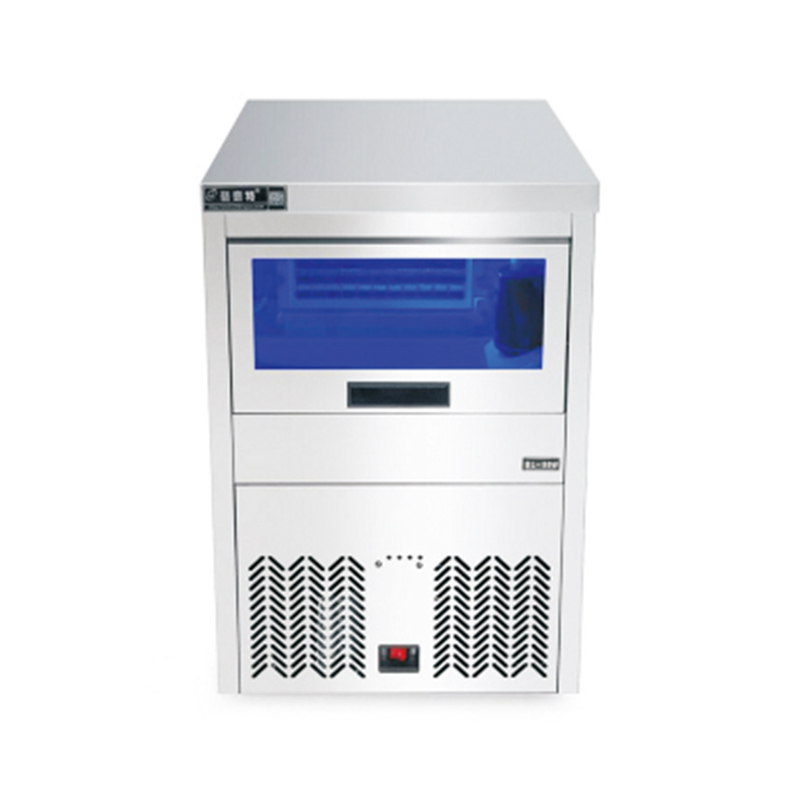 เครื่องทำน้ำแข็งทรงสี่เหลี่ยมความจุสูงสำหรับใช้ในเชิงพาณิชย์ หน่วยนี้มีจอ LCD อัจฉริยะ ระบบทำความสะอาดอัตโนมัติ และการฆ่าเชื้อด้วยรังสียูวี ทำให้เกิดลูกบาศก์สี่เหลี่ยมที่มีคุณภาพ ด้วยคอมเพรสเซอร์ที่แข็งแกร่งและเครื่องระเหยที่ทนต่อการกัดกร่อน จึงเหมาะกับร้านกาแฟที่ต้องการผลผลิตรายวันที่เชื่อถือได้และการบำรุงรักษาต่ำ ดูผลิตภัณฑ์ →
 ร้านชานมและกาแฟใช้น้ำแข็งเป็นชุด ร้านไข่มุกเล็กๆ สามารถใช้น้ำแข็งได้ 300 ปอนด์ต่อวันอย่างง่ายดาย น้ำแข็งครึ่งลูกบาศก์ใช้งานได้ดีเพราะมันเย็นเร็ว แต่น้ำแข็งเต็มลูกบาศก์ก็ยอมรับได้เช่นกันหากเครื่องดื่มถูกเขย่าหรือเป็นจังหวะ ข้อกำหนดที่สำคัญคือการจัดหาที่เชื่อถือได้พร้อมเวลาหยุดทำงานต่ำ เครื่องจักรที่มีผลผลิตรายวันมากกว่า 250 ปอนด์และถังที่มีน้ำหนักมากกว่า 200 ปอนด์ จะสามารถขนย้ายร้านค้าส่วนใหญ่ได้ตลอดช่วงสุดสัปดาห์ที่มีนักท่องเที่ยวหนาแน่น
บาร์ให้ความสำคัญกับรูปลักษณ์ภายนอกและเวลาที่หลอมละลาย ค็อกเทลอาศัยน้ำแข็งในการคงความเย็นโดยไม่ต้องรดน้ำเครื่องดื่ม น้ำแข็งก้อนเต็มหรือก้อนจัมโบ้เป็นมาตรฐานสำหรับสิ่งนั้น ร้านอาหารที่ให้บริการเครื่องดื่มควบคู่ไปกับอาหารมักใช้เครื่องจักร 2 เครื่อง เครื่องหนึ่งสำหรับทำน้ำแข็งหน้าบ้าน และอีกเครื่องสำหรับห้องครัว หากคุณเสิร์ฟลูกบาศก์ใสขนาดใหญ่ในการนำเสนอเครื่องดื่ม ให้ลองดูเครื่องจักรที่ผลิตลูกบาศก์ใสและสม่ำเสมอกัน
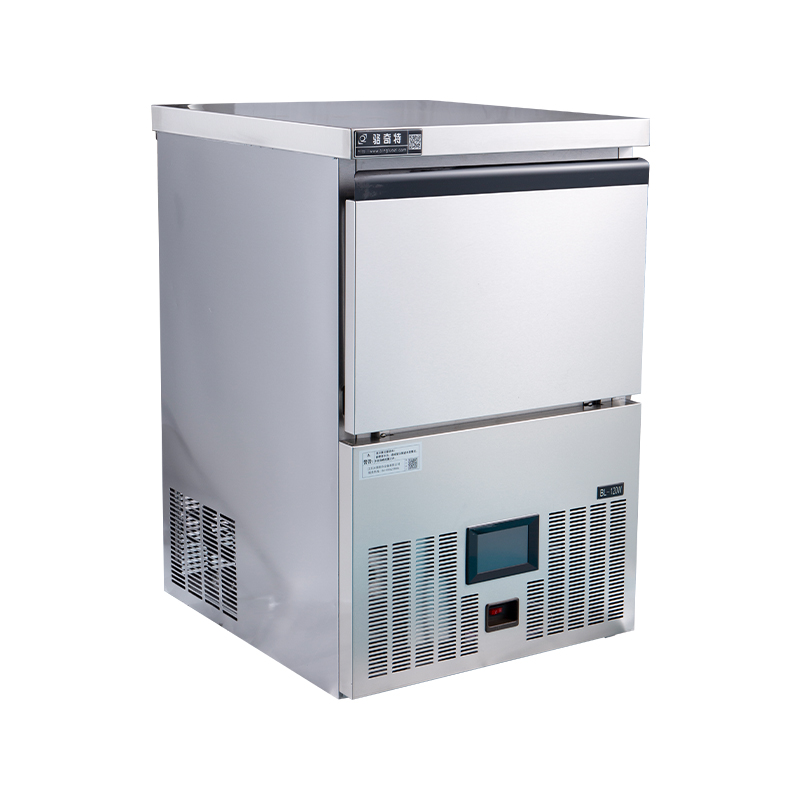 เครื่องทำน้ำแข็งก้อนจัมโบ้ระดับพรีเมียมสำหรับบาร์และสถานที่หรูหรา เครื่องนี้ทำให้ลูกบาศก์ใสขนาด 30 มม. หรือ 50 มม. ซึ่งละลายช้าๆ เหมาะสำหรับค็อกเทลและการนำเสนอผลงาน มีการทำงานที่เงียบ การฆ่าเชื้อด้วยรังสียูวี และการออกแบบที่กะทัดรัดสำหรับสภาพแวดล้อมการบริการระดับพรีเมียม ดูผลิตภัณฑ์ →
 ร้านเบเกอรี่และร้านขนมหวาน use ice for display, cold storage, and sometimes for textured desserts like shaved ice or smoothies. Cube ice is not always the only requirement: some shops also need flake ice or snow ice. If a bakery runs an ice-cream dipping cabinet, cube ice for drinks is often a secondary function. For a dessert shop whose main line is shaved ice or ice-based desserts, a combination machine or a dedicated flake ice unit may be more appropriate.
คุณไม่สามารถเลือกเครื่องโดยพิจารณาจากเอาท์พุตเพียงอย่างเดียวได้ การไหลเวียนของอากาศ แรงดันน้ำ การจ่ายไฟฟ้า และการระบายน้ำ ทั้งหมดจะเปลี่ยนการเลือกขั้นสุดท้าย
ข้อผิดพลาดทั่วไปคือการสั่งซื้อเครื่องจักรที่มีขนาดใหญ่เกินไปสำหรับขนาดพื้นที่ใช้งาน จำนวนการผลิตมีความสำคัญ แต่ขนาดทางกายภาพและการเข้าถึงต้องตรงกับพื้นที่ วัดความสูงของเคาน์เตอร์ การเปิดประตู และเส้นทางการระบายอากาศก่อนตัดสินใจเลือกแบบจำลอง
เครื่องทำน้ำแข็งจะสูญเสียกำลังการผลิตอย่างเงียบๆ เนื่องจากตะกรันและฟิล์มชีวะก่อตัวขึ้น กฎทั่วไปคือทำความสะอาดเครื่องทุกๆ 2 ถึง 6 สัปดาห์ ขึ้นอยู่กับความกระด้างของน้ำ ฆ่าเชื้อถังซัก และตรวจสอบแผ่นคอยล์เย็นเป็นประจำ
หากพื้นที่ของคุณมีน้ำกระด้างมากกว่า 150 ppm เกล็ดจะก่อตัวเร็วขึ้นและการผลิตน้ำแข็งจะลดลง น้ำยาปรับน้ำหรือตัวกรองแบบอินไลน์เป็นการลงทุนที่คุ้มค่า เครื่องจักรที่มีชิ้นส่วนที่ถอดออกได้และเข้าถึงท่อระบายน้ำได้ง่ายจะจัดการได้ง่ายกว่า คุณสามารถอ่านเพิ่มเติมเกี่ยวกับการเลือกและการบำรุงรักษาเครื่องทำน้ำแข็งเชิงพาณิชย์ได้ในของเรา คู่มือการเลือกและการบำรุงรักษาที่สมบูรณ์ .
คุณภาพน้ำยังส่งผลต่อความใสของน้ำแข็งด้วย หากน้ำประปาของคุณกระด้าง ตะกรันจะสะสมบนเครื่องระเหยและคุณจะพบน้ำแข็งขุ่น สำหรับธุรกิจที่ขายน้ำแข็งเป็นองค์ประกอบทางสายตา เช่น บาร์ระดับไฮเอนด์หรือร้านขนมหวาน เครื่องทำน้ำแข็งแบบสเปรย์จะสร้างก้อนใสขึ้นและมีความขุ่นน้อยลง
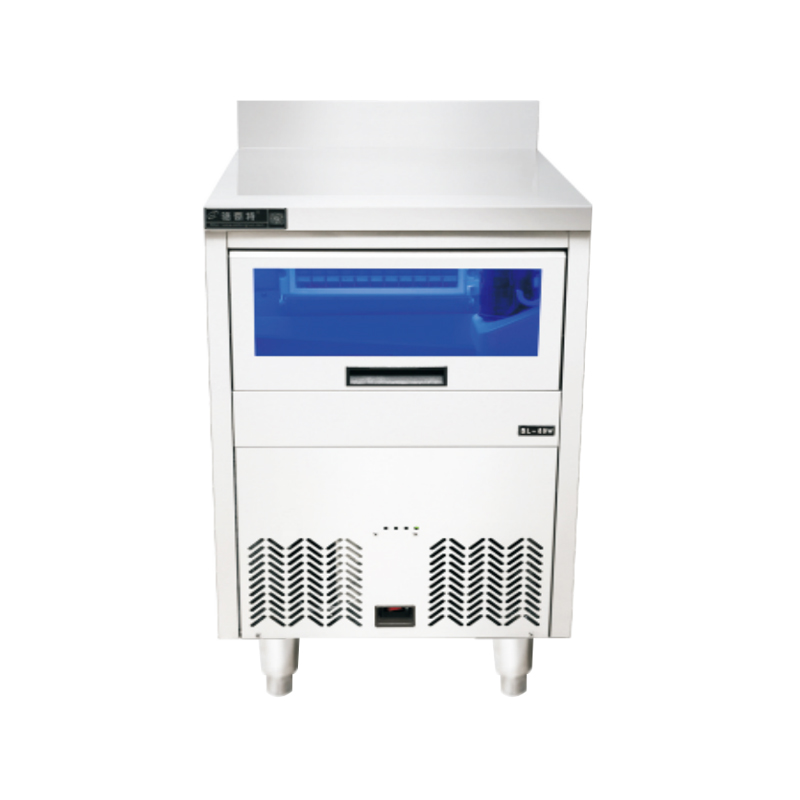 เครื่องทำน้ำแข็งสี่เหลี่ยมใสแบบสเปรย์พร้อมถาดสแตนเลส เครื่องจักรประเภทสเปรย์นี้ผลิตลูกบาศก์ที่ใสและหนาแน่นโดยมีปริมาณน้ำต่ำโดยใช้ส่วนประกอบที่มาจากต่างประเทศ การควบคุมอัตโนมัติและถาดสแตนเลสช่วยให้มั่นใจได้ถึงการทำงานที่ถูกสุขลักษณะและการบำรุงรักษาบาร์และร้านอาหารได้ง่าย ดูผลิตภัณฑ์ →
 เริ่มต้นด้วยความต้องการน้ำแข็งในช่วงที่มีการใช้งานสูงสุด จากนั้นจึงจับคู่ความจุถัง ขนาดลูกบาศก์ และประเภทการทำความเย็น ตรวจสอบพื้นที่ การระบายน้ำ น้ำ และสภาพไฟฟ้าก่อนสั่งซื้อ สุดท้าย ให้ตรวจสอบการสนับสนุนหลังการขายของผู้ผลิตและความพร้อมของอะไหล่ เครื่องจักรที่ผลิตได้ 400 ปอนด์ต่อวันไม่ใช่ทางเลือกที่ดีหากไม่สามารถวางใต้เคาน์เตอร์หรือท่อระบายน้ำสูงเกินไป
สำหรับคำแนะนำโดยละเอียดเพิ่มเติมเกี่ยวกับตัวเลือกทางเทคนิค โปรดอ่านของเรา คู่มือการซื้อเครื่องทำน้ำแข็งก้อนเชิงพาณิชย์ . เครื่องทำน้ำแข็งก้อนเชิงพาณิชย์เป็นการลงทุนระยะยาว เลือกการกำหนดค่าที่ถูกต้องในครั้งแรก จากนั้นระบบจะจ่ายค่าบริการเองให้กับความน่าเชื่อถือ

No.8 Xinhua Road, เมือง Dianshanhu, Kunshan City, Suzhou, จังหวัด Jiangsu, จีน
Call Us: +86-18217685733 / +86-18221531811
E-mail: [email protected] / [email protected]
ลิขสิทธิ์© บริษัท อุปกรณ์ทำความเย็น JIANGSU Bingluo Co. , Ltd. สงวนลิขสิทธิ์ โซลูชั่นอุปกรณ์ทำความเย็นเชิงพาณิชย์